Abstract

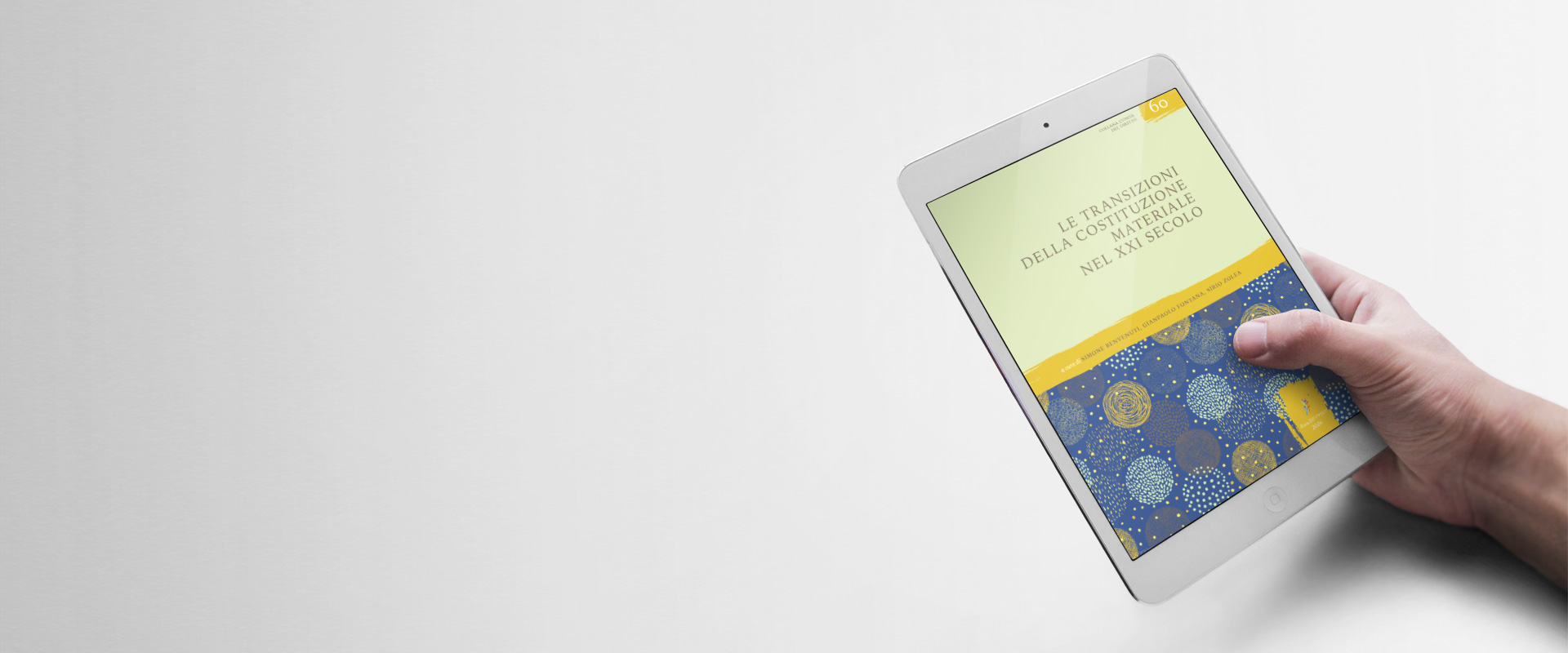
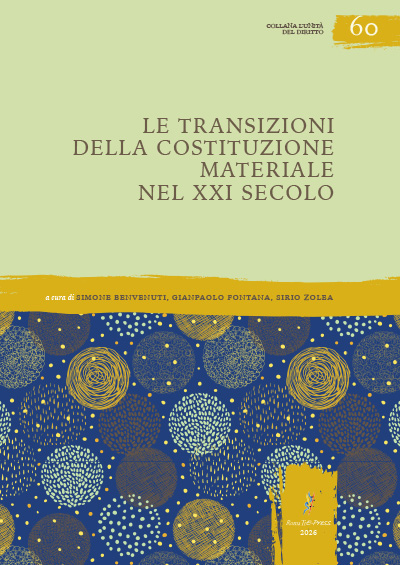
Il convegno ‘Le transizioni della Costituzione materiale nel XXI secolo’ si è tenuto, il 26 febbraio 2025, presso il Dipartimento di Giurisprudenza dell’Università Roma Tre, nel quadro delle attività del progetto PRIN ‘The EU’s impact on democratization: tools, challenges and new perspectives’ e del Centro di Ricerca Interdipartimentale per gli Studi Politico-costituzionali e di Legislazione comparata (CRISPEL), a seguito di una call for papers rivolta agli studiosi di diverse discipline giuridiche. Il tema del rapporto tra la Costituzione formale e quella in senso materiale, a lungo analizzato da Mortati, acquista particolare rilevanza in un momento storico nel quale le condizioni essenziali della Costituzione sono sottoposte a spinte centrifughe sempre più accentuate. Il presente volume collettaneo mira ad indagare le cause profonde delle trasformazioni più recenti degli assetti costituzionali: in che misura dunque siano intervenuti mutamenti nel modo di essere, di concepirsi e di operare delle forze politico-sociali, così come nei contenuti dalle stesse promosse. Il libro intende, pertanto, studiare la dialettica tra identità del patto costituzionale ed evoluzione storica recente dei rapporti economici, sociali e politici, internazionali e nazionali.

The conference 'The Transitions of the Material Constitution in the 21st Century' was held on February 26, 2025, at the Department of Law of Roma Tre University, as part of the activities of the PRIN project 'The EU’s Impact on Democratization: tools, challenges, and new perspectives’ and the Interdepartmental Research Center for Political-Constitutional Studies and Comparative Legislation (CRISPEL), following a call for papers addressed to scholars from several legal disciplines. The theme of the relationship between the formal and the 'material' constitution — long explored by Mortati — takes on particular significance at a historical moment in which the essential conditions of the Constitution are subject to increasingly intense centrifugal forces. This collection of essays seeks to examine the root causes of the most recent transformations in constitutional structures: to what extent, therefore, have changes occurred in the way that the political and social forces exist, conceive of themselves, and operate, as well as in the goals they aim to achieve. The book therefore aims to examine the interplay between the nature of the constitutional compromise and the recent historical evolution of economic, social, and political relations – both international and national.