Os Outros (d)e José Saramago

A cura di:  Giorgio de Marchis
Editore: RomaTrE-Press
Data di pubblicazione: dicembre 2025
Pagine: 457
ISBN: 979-12-5977-563-4
n° downloads ad oggi: 133

Abstract

Os Outros (d)e José Saramago analyses the fruitful and constant dialogue between the author of Memorial do Convento and writers and artists who are not only Portuguese and not only contemporary. Intertextuality is certainly a privileged key to accessing José Saramago’s work, and the twenty-nine essays collected in this volume map, from different points of view, Saramago’s vast literary and artistic network, valuing the active appropriation of the literary tradition that originally characterises the writing of this extraordinary Portuguese author.

">

Os Outros (d)e José Saramago analyses the fruitful and constant dialogue between the author of Memorial do Convento and writers and artists who are not only Portuguese and not only contemporary. Intertextuality is certainly a privileged key to accessing José Saramago’s work, and the twenty-nine essays collected in this volume map, from different points of view, Saramago’s vast literary and artistic network, valuing the active appropriation of the literary tradition that originally characterises the writing of this extraordinary Portuguese author.

Contributi

O sinal de uma pessoa

Giorgio de Marchis 

DOI: 10.13134/979-12-5977-563-4/1

José Saramago ou a literatura como interpelação do outro

Carlos Reis 

O ensaio José Saramago ou a literatura como interpelação do outro analisa o diálogo e o dialogismo como processos reiterados na obra de Saramago, em função da frequente enunciação de discursos de interpelação. Tendo em atenção esses discursos, a literatura surge como espaço de questionamento de alteridades, um procedimento muito significativo sobretudo n’O Ano da Morte de Ricardo Reis. A análise remete para a filosofia da linguagem bakhtiniana e para a noção de intertextualidade e valoriza interações dialógicas de Ricardo Reis com Camões, com Eça de Queirós e com Fernando e Pessoa. Confirma-se, deste modo, a conceção saramaguiana do romance como um lugar literário que integra diferentes géneros, filosofia e ciência.  

The essay José Saramago or literature as interpellation of the other analyses dialogue and dialogism as recurring processes in Saramago’s work, due to the frequent enunciation of discourses of interpellation. Taking these discourses into account, literature emerges as a space for questioning otherness, a very significant process, especially in The Year of the Death of Ricardo Reis. The analysis is based on Bakhtin’s philosophy of language and the notion of intertextuality and values Ricardo Reis’s dialogic interactions with Camões, Eça de Queirós and Fernando Pessoa. This confirms Saramago’s conception of the novel as a literary space that integrates different genres, philosophy and science.

DOI: 10.13134/979-12-5977-563-4/2

José Saramago: ecos de uma língua única na sua multiplicidade

Sonia Netto Salomão 

O texto se baseia numa reflexão sobre a língua literária de José Saramago a partir da sua voz enunciativa, que se torna discurso e estilo únicos, mas que, ao mesmo tempo, faz ecoar os clássicos sem excluir uma dicção popular. Tal característica incide sobre a questão do gênero narrativo e sobre o narrador, partindo da própria “corporeidade” de uma língua extremamente presente na sua materialidade gráfica e metalinguística.

This paper focuses on reflections on the literary language of José Saramago based on his enunciative voice, which becomes a unique discourse and style, but at the same time contains echoes of the classics while retaining popular expression. This characteristic of his writing has a bearing on the question of narrative genre and on the narrator, stemming from the very “corporeity” of a language that is extremely present in its graphic and metalinguistic materiality.

DOI: 10.13134/979-12-5977-563-4/3

Tertúlia narrativa: José Saramago, Almeida Garrett e Machado de Assis

Sara Grunhagen 

O diálogo de José Saramago com escritores oitocentistas é significativo e tem sido sublinhado sobretudo no que se refere à presença de Almeida Garrett, a quem o Nobel português dedicou o seu livro Viagem a Portugal. O presente trabalho pretende aprofundar a análise do diálogo de Saramago com a produção do Século de Ouro do romance e mostrar o quanto ele vai além daquele livro e daquele autor, revelando-se de maneira destacada no seu modo de narrar. Trata-se, portanto, de refletir sobre alguns dos elementos que compõem o estilo metaléptico de Saramago, tributário de toda uma tradição narrativa que o precede, dando-se destaque neste trabalho aos escritores Almeida Garrett e Machado de Assis.

José Saramago’s dialogue with nineteenth-century writers is significant and has been highlighted mainly with respect to the presence of Almeida Garrett, to whom the Portuguese Nobel laureate dedicated his book Journey to Portugal. This paper intends to deepen the analysis of Saramago’s dialogue with the production of the Golden Age of the novel and to show to what extent it goes beyond that book and that author, thus revealing itself prominently in his narration. Therefore, our purpose is to reflect on some of the elements that compose Saramago’s metaleptic style, which is tributary to a whole narrative tradition that precedes him, with emphasis on writers Almeida Garrett and Machado de Assis.

DOI: 10.13134/979-12-5977-563-4/4

No labirinto das identidades Ecos de Borges/ecos de Eco em Todos os nomes

Ettore Finazzi-Agrò 

O romance Todos os nomes, publicado em 1997, apresenta-nos um mundo guarnecido por identidades que se equilibram entre a certeza do nome próprio e a transparência do “ser-qualquer”, entre a persistência do Eu no interior dum catálogo nominal infinito e a inconsistência do anonimato. Saramago dá vida, nesta obra, a um refinadíssimo jogo de referências e elucubrações em relação à mitologia labiríntica, conduzindo-nos – com uma espécie de passo de dança que é, provavelmente, uma expressão coréutica desse mito (Kerényi) – através das dificuldades de uma definição do sujeito que possa ultrapassar a consistência inconsistente da definição nominal. Neste sentido, o escritor português insere-se na longa tradição literária baseada na reutilização da metáfora do labirinto que, desde a antiguidade clássica, chega, via Borges e uma série infinita de outros autores, até à sua redefinição em O Nome da Rosa de Umberto Eco.

The novel All the Names, published in 1997, presents us with a world adorned with identities that balance between the certainty of one's own name and the transparency of “being anyone”, between the persistence of the self within an infinite nominal catalogue and the inconsistency of anonymity. In this work, Saramago brings to life a highly refined game of references and musings on labyrinthine mythology, leading us – with a kind of dance step that is probably a choreotic expression of this myth (Kerényi) – through the difficulties of defining the subject in a way that can overcome the inconsistent consistency of the nominal definition. In this sense, the Portuguese writer is part of a long literary tradition based on the reuse of the metaphor of the labyrinth, which, since classical antiquity, has been redefined in Umberto Eco's The Name of the Rose, via Borges and an endless series of other authors.

DOI: 10.13134/979-12-5977-563-4/5

«Um fluxo ininterrupto»: o discurso engenhoso de José Saramago

Simone Celani 

A admiração pelo estilo de António Vieira, juntamente com o reconhecimento de uma dívida literária específica, foi expressa por José Saramago em várias ocasiões, a ponto de se tornar um topos crítico, por vezes abusado e nem sempre fundamentado em dados concretos. O objetivo deste contributo é tentar objetivar, na medida do possível, este elemento, partindo das categorias críticas que António José Saraiva aplicou ao «discurso engenhoso» de Vieira e dos esquemas interpretativos que Margherita Vieira Mendes aperfeiçoou através dos seus estudos. O objetivo é identificar uma primeira casuística de fenómenos lexicais, sintáticos e retóricos que associem a linguagem e o estilo dos dois grandes prosadores.

José Saramago has expressed his admiration for António Vieira's style, alongside his acknowledgement of a specific literary debt, on several occasions, to the extent that it has become a critical topos, sometimes overused and not always based on concrete evidence. The aim of this contribution is to try to objectify this element as far as possible, starting from the critical categories that António José Saraiva applied to Vieira's “discurso engenhoso” and the interpretative schemes that Margherita Vieira Mendes refined through her studies. The aim is to identify an initial set of lexical, syntactic and rhetorical phenomena that associate the language and style of the two great prose writers.

DOI: 10.13134/979-12-5977-563-4/6

José Saramago e Dante Alighieri: um fragmento de história no labirinto da memória

Matheus Silva Vieira 

Quais os limites entre a memória e o esquecimento, e como, a partir dessa dialética conflituosa, construímos as imagens que temos do passado? Sabemos que o passado pertence à memória, mas a memória é um labirinto no qual nos perdemos quando tateamos na escuridão de lembranças recônditas ou longínquas, deste modo, como confiar na memória, seja ela pessoal ou coletiva? Para problematizarmos essas perguntas, propomos um diálogo entre História do cerco de Lisboa e a Commedia, focando nos modos como esses textos trabalharam com os tópicos da memória e do esquecimento e como esses dois termos são utilizados como categorias estéticas e pontos fulcrais na estruturação poética e narrativa de tais obras.

What are the limits between memory and oblivion, and how, based on this conflicting dialectic, do we construct the images we have of the past? We know that the past belongs to memory, but memory is a labyrinth in which we get lost when we grope in the darkness of hidden or distant memories, so how can we trust memory, whether personal or collective? To problematize these questions, we propose a dialogue between Historia do Cerco de Lisboa and Divina Commedia, focusing on the way in which these two texts work with the topics of memory and oblivion, and how these two terms are used as aesthetic categories and focal points in the structuring poetic and narrative of these books.

DOI: 10.13134/979-12-5977-563-4/7

A Influência de Padre António Vieira nos Romances de José Saramago

Maria Irene da Fonseca e Sá* 

A irracionalidade do mundo foi a mola propulsora para o desenvolvimento do romance Ensaio sobre a Cegueira por José Saramago. O Padre António Vieira, filósofo, missionário, diplomata e escritor, defendia, além dos indígenas, a liberdade dos judeus, perseguidos pela Inquisição. No Sermão de Santo Antônio aos Peixes, Vieira usa a alegoria dos peixes para criticar a exploração do homem pelo homem. Ele expõe a prepotência dos grandes, a ganância, a corrupção e os desequilíbrios sociais no mundo. No Sermão de Quarta-Feira de Cinza, ele propõe aos homens que não tenham medo da morte, pois esta é uma condição de ser homem. No mesmo sentido, Saramago discute a necessidade da morte no romance As Intermitências da Morte. A investigação tem por objetivo discutir a influência de Vieira (1608-1697) nos romances e no pensar de José Saramago (1922-2010).

The irrationality of the world was the driving force behind the development of the novel Ensaio sobre a Cegueira by José Saramago. Father António Vieira, philosopher, missionary, diplomat and writer, defended, in addition to the indigenous people, the freedom of the Jews, persecuted by the Inquisition. In the Sermão de Santo Antônio aos Peixes, Vieira uses the allegory of the fish to criticize the exploitation of man by man. He exposes the arrogance of the great, greed, corruption and social imbalances in the world. In the Sermão de Quarta-Feira de Cinza, he proposes to men not to be afraid of death, as this is a condition of being a man. In the same sense, Saramago discusses the need for death in the novel As Intermitências da Morte. The investigation aims to discuss the influence of Vieira (1608-1697) on the novels and thinking of José Saramago (1922-2010).

DOI: 10.13134/979-12-5977-563-4/8

A improvável irmandade da memória: José Saramago e Teixeira de Pascoaes

José Vieira 

A nossa reflexão tem como objetivo analisar as obras Livro de Memórias (1928), de Teixeira de Pascoaes, e As Pequenas Memórias (2006), de José Saramago, e tentar perceber de que forma ambos os textos contribuem para a construção da narrativa do escritor em formação. Ainda que separados por 78 anos e pertencentes a mundos muito distintos, ou talvez nem tanto, os dois livros, assim como os seus autores, têm como propósito legitimar uma visão da infância, dos seus lugares, das suas ambiências e das pessoas que nesse tempo e nesse espaço habitaram.

Our reflection aims to analyze the works Livro de Memórias (1928), by Teixeira de Pascoaes, and As Pequenas Memórias (2006), by José Saramago, and try to understand how both texts contribute to the construction of the writer's narrative. training. Although separated by 78 years and belonging to very different worlds, or perhaps not so much, the two books, as well as their authors, have the purpose of legitimizing their vision of childhood, its places, its ambiences and the people who lived in that time and space.

DOI: 10.13134/979-12-5977-563-4/9

O papel de Pessoa em O Ano da Morte de Ricardo Reis de José Saramago

Eleonora Rimolo 

Todos os romances de Saramago oferecem imensas possibilidades de estudo e interpretação, mas O Ano da Morte de Ricardo Reis é particularmente rico a nível literário, intertextual, sociológico e político. Através de uma análise precisa do romance, este artigo visa investigar, portanto, as relações intertextuais com a obra de Pessoa, bem como a diferente função do personagem de Lídia. Esta personagem, que começa por ser ‘plana’, isto é, funcional apenas à representação dos valores estoico-epicureus do poeta, torna-se, no romance de Saramago, abrangente, debruada de peculiaridades psicológicas e capaz de agir desencadeando acontecimentos decisivos no tecido narrativo.

All of Saramago's novels offer immense possibilities for study and interpretation, but The Year of the Death of Ricardo Reis is particularly rich on a literary, intertextual, sociological and political level. Through a precise analysis of the novel, this article therefore aims to investigate the intertextual relations with Pessoa's work, as well as the different function of the character of Lídia. This character, which begins by being 'plain', that is, functional only to the representation of the poet's stoic-epicurean values, becomes, in Saramago's novel, comprehensive, brimming with psychological peculiarities and able to act by triggering decisive events in the narrative fabric.

DOI: 10.13134/979-12-5977-563-4/10

Intertextos literários e históricos em O Ano da Morte de Ricardo Reis de José Saramago

Rosa Branca Figueiredo 

No romance O Ano da Morte de Ricardo Reis de José Saramago abundam grandes temas históricos bem como inúmeras referências intertextuais a autores portugueses e estrangeiros. Considerando que o romance revisita explicitamente o heterónimo mais clássico de Fernando Pessoa, Ricardo Reis, e o confronta com a conturbada realidade europeia de 1936, o que me proponho fazer é analisar a articulação entre intertextos literários e intertextos históricos com base na presença do escritor- personagem na construção do romance onde ficção e história se condicionam mutuamente ao longo da diegese. O Ano da Morte de Ricardo Reis é um romance pleno de dimensões de leitura e de caminhos possíveis fora dos seus limites textuais. Tentarei, ainda, demonstrar que o uso da intertextualidade em Saramago é conscientemente ideológico porque o funcionamento dos textos nunca está livre da ideologia.

In the novel The year of the death of Ricardo Reis by José Saramago abound great historical themes as well as numerous intertextual references to Portuguese and foreign authors. Considering that the novel explicitly revisits Fernando Pessoa's most classic heteronymous, and confronts him with the troubled European reality of 1936, this article analyses the articulation between literary and historical intertexts based on the presence of the writer-character in the construction of the novel where fiction and history are mutually conditioned throughout the diegesis. The year of the death of Ricardo Reis is a novel full of reading dimensions and possible ways outside its textual limits. This article will also try to demonstrate that the use of intertextuality in Saramago is consciously ideological because the functioning of texts is never free from ideology.

DOI: 10.13134/979-12-5977-563-4/11

Miguel de Unamuno entre Pessoa e Saramago: O ano da morte de Ricardo Reis é 1936

Ana Clara Magalhães de Medeiros 

O centenário de nascimento de José Saramago, em 2022, motivou o nosso pensamento sobre a categoria de “alteridade”, tomada conforme acepção de Mikhail Bakhtin (Estética da criação verbal, 2006), a partir da obra do Nobel português. Assim, evocamos um outro literário e histórico que habita o romance O ano da morte de Ricardo Reis (1984): Miguel de Unamuno, escritor e intelectual espanhol que reconhecidamente sustentou, em um mesmo ano, o de 1936, posições políticas antagônicas. Tal contradição é enfrentada, com atualização irônica, no romance saramaguiano que revisita, simultaneamente, o ano de 1936 (quando tem início a Guerra Civil Espanhola) e a obra de Fernando Pessoa, fazendo desse poeta e de seu heterônimo Ricardo Reis personagens romanescos que travam inquietantes diálogos (à maneira dos socráticos e da sátira menipeia) no decorrer do livro. Nosso objetivo principal é evidenciar como a menção a Unamuno, nas páginas já derradeiras do romance de 1984, revela-se capaz de impactar a consciência e a ação de Ricardo Reis, impelindo-o a agir (ainda que em direção à morte). Recorremos centralmente às contribuições críticas de Carlos Reis e Perrone-Moisés quanto à narrativa saramaguiana; e aos apontamentos de Raimundo Cuesta, Delgado Cruz e Iris Zavala no tocante ao pensamento e à presença unamuniana nos primeiros decênios dos anos 1900. Finalmente, buscamos ampliar o debate sobre as relações entre Saramago e Unamuno, aproximados singularmente neste romance por intermédio de pessoas pessoanas reinventadas no final do convulsionado século XX.

The centenary of José Saramago’s birth, in 2022, motivated our thoughts about the category of “otherness”, taken according to Mikhail Bakhtin’s meaning (Aesthetics of Verbal Creation, 2006), from the work of the Portuguese Nobel laureate. Thus, we evoke a literary and historical other that inhabits the novel The Year of the Death of Ricardo Reis (1984): Miguel de Unamuno, Spanish writer and intellectual who admittedly held, in the same year, in 1936, antagonistic political positions. Such contradiction is faced, with ironic update, in the romance by Saramago who revisits, simultaneously, the year of 1936 (when the Spanish Civil War started) and Fernando Pessoa’s work, turning this poet and his heteronym Ricardo Reis Romanesque into characters who engage in unsettling dialogues (in the manner of the Socratics and Menippean satire) in the course of the book. Our main goal is to highlight how the mention of Unamuno, in the final pages of the 1984 novel, proves to be capable of impacting Ricardo Reis' consciousness and action, pushing him to act (even if towards death). We resorted centrally to the critical contributions of Carlos Reis and Iris Zavala in what it refers to the thought and the Unamunian presence in the first decades of the 1900. Finally, we seek to broaden the debate about the relations between Saramago and Unamuno, approached uniquely in this novel through Pessoan people reinvented at the end of the convulsed 20th century.

DOI: 10.13134/979-12-5977-563-4/12

Camões e Saramago: Que Farei com Este Livro?

Carlos Nogueira 

Proponho-me tentar compreender que imagem de Camões nos apresenta José Saramago na peça Que Farei com Este Livro? (uma imagem não idealizada nem unívoca) e como a construiu ideologicamente (estruturada na sua conceção de autor e na sua visão materialista histórica não mecanicista) e nos planos da forma da expressão e do conteúdo (com recurso a um diálogo “natural”, dinâmico e dialético, à reescrita da História pela perspetiva plural da literatura e a procedimentos do teatro épico, em articulação com a escrita dramatúrgica mais tradicional).

I try to understand the image of Camões that Saramago presents to us in this play (an image that is neither idealized nor univocal) and how he constructed it ideologically (structured in his conception of the author and in his non-mechanistic historical materialist view). I explore these issues in terms of forms of expression and content, examining how he uses a “natural”, dynamic and dialectical dialogue, rewriting history using a plural perspective of literary and epic theater criticism, in conjunction with more traditional dramaturgical analysis.

DOI: 10.13134/979-12-5977-563-4/13

Intertextualidade e provérbios nos dois primeiros textos dramáticos de José Saramago

Mário José Silva Meleiro 

José Saramago ficou conhecido do público sobretudo como ficcionista, com romances como Memorial do Convento, mas é também autor de várias outras tipologias textuais, entre elas cinco textos dramáticos. Com esta comunicação, pretende-se, primeiramente, valorizar esta tipologia textual e dar a conhecer os textos dramáticos escritos por Saramago, sobretudo as suas duas primeiras obras: A Noite (1979) e Que farei com este livro (1980). Em seguida, o objetivo é fazer o levantamento dos vários momentos de intertextualidade que atravessam as peças, mas sobretudo destacar os provérbios, cheios de sabedoria popular, que Saramago tão bem sabe utilizar no momento certo. O teatro de Saramago pode, de facto, não cativar pelos movimentos, pela força da ação, mas das suas peças também não é isso que se espera. A preferência vai, claramente, para o poder da palavra, para a reflexão que nos convida a fazer ao contar histórias com um forte carácter verídico e simbólico.

José Saramago became known to the public especially as a fiction writer, with novels such as Convent Memorial, but he is also the author of several other textual typologies, including five dramatic texts. The intention of this paper is, first, to value this textual typology and make the dramatic texts written by Saramago known to the public, especially his first two works: In the Evening (1979) and What will I do with this book?(1980). Secondly, I intend to survey the various moments of intertextuality that cross the plays, but above all highlight the proverbs, full of popular wisdom, that Saramago knew how to use so well at the right time. Saramago’s theater may, in fact, not captivate by the movements, the strength of the action, but it is after all not what is expected either. The preference clearly goes to the power of the word, to the reflection that the plays invite us to make by telling us stories with a strong true and symbolic character.

DOI: 10.13134/979-12-5977-563-4/14

«Nunca em Portugal se escreveu um livro assim» : Saramago e os caminhos que vão dar a Camões

Matteo Rei 

Há numerosas referências a Camões nas obras de Saramago. Estas são referências intertextuais (sobretudo a Os Lusíadas), mas também referências ao valor simbólico e mítico atribuído à figura do autor quinhentista e à sua obra ao longo dos séculos. Ao examinar a peça Que farei com este livro?, assim como outros textos marcados pela presença camoniana, o presente estudo tenciona abordar a representação do grande poeta épico que nos foi transmitida pelo Nobel português.

There are several references to Camões in Saramago's writings. These are intertextual references (especially to The Lusiads), but also references to the symbolic and mythical status attributed to the 16th-century author and to his works over the centuries. By examining the play Que farei com este livro? as well as other texts marked by the Camões presence, the paper intends to approach the representation of the great epic poet in Saramago’s works.

DOI: 10.13134/979-12-5977-563-4/15

Que farei com este livro? Camões de Saramago

Elsa Rita dos Santos 

Considerando a relevância dada por José Saramago às epígrafes, propomo-nos analisar Que farei com este livro? a partir da epígrafe da peça: os três últimos versos da canção VI de Luís de Camões. Versos que transpostos para o contexto literário dos anos setenta do século XX incluem noções como a de eco, exílio e escrita. Teatro histórico de influência brechtiana, esta peça ficciona dois anos da vida de Luís de Camões, representando as várias situações com que o poeta se vai deparando ao pretender publicar Os Lusíadas numa forma que alude claramente ao período do Estado Novo, passado recente aquando da criação da peça (1980).

Considering the relevance given by José Saramago to the epigraphs, we propose to analyze Que farei com este livro? from the epigraph of the play: the last three verses of the song VI by Luís de Camões. This verses read through the literary context of the seventies of the twentieth century include notions such as echo, exile and writing. Historical theater of Brechtian influence, this play fictionalizes two years in the life of Luís de Camões, representing the different situations that the poet faced when trying to publish Os Lusíadas clearly alluding to the Estado Novo period, the recent past in which the play was written (1980).

DOI: 10.13134/979-12-5977-563-4/16

A outra árvore de Saramago: génese literária e autointerpretação retrospetiva

Orlando Grossegesse 

Partindo da árvore genealógica literária que Saramago define em 1996, este artigo contrasta a génese literária saramaguiana com a posterior autointerpretação do escritor. Esta árvore literária não tem, ao longo dos anos, a mesma definição. Referências importantes numa certa altura deixam de sê-lo noutra, ficando pouco mencionadas e até silenciadas. Este processo é exemplificado sobretudo através da análise comparativa de Os Poemas Possíveis, na edição de 1966 e na reedição de 1981. Chega-se a conclusão que a segunda procede à autodestruição de um projeto poético nascido da confluência entre José Régio, Louis Aragon, Antonio Machado e Miguel Torga, todos não fazendo parte da árvore de 1996.

Starting from the literary family tree that Saramago defined in 1996, this article contrasts Saramago’s literary genesis with the writer’s subsequent self-interpretation. The literary family tree has not had the same definition over the years. Important references at one point cease to be so at another, becoming even silenced. This process is exemplified mainly through the comparative analysis of Os Poemas Possíveis, in the 1966 edition and the 1981 reissue. This study concludes that the second proceeds to the self-destruction of a poetic project based on the confluence between José Régio, Louis Aragon, Antonio Machado and Miguel Torga, all not mentioned in the literary family tree de 1996.

DOI: 10.13134/979-12-5977-563-4/17

Terra do Pecado (A Viúva), terra do (sobre) natural: uma proposta preliminar de leitura

Antonio Augusto Nery 

Na vasta fortuna crítica sobre a produção de José Saramago, leituras acerca de Terra do Pecado (1947) ainda podem ser consideradas poucas quando comparadas com (re)visitações críticas empreendidas a outras obras do escritor, como Memorial do Convento (1982), O Evangelho segundo Jesus Cristo (1991) e Ensaio sobre a cegueira (1995). No intuito de contribuir para a valorização desse romance inaugural do autor, sobretudo quando temos em vista a compreensão da totalidade de sua obra, meu objetivo nesta intervenção é averiguar a constante retomada, por parte do narrador, de elementos (sobre)naturais para contextualizar e/ou explicar diversas situações e acontecimentos de seu relato. Fenômenos estranhos à ordem natural dos fatos, a concepção de destinos previamente demarcados e fenômenos espaciais e temporais insólitos estão presentes ao longo de toda a trama, intervindo, a meu ver, de forma bastante decisiva na economia do enredo e em sua interpretação. Com esta reflexão preliminar, pretendo propor uma investida inicial em algumas obras do escritor, buscando demonstrar que embora bastante cético quando trata de diversas temáticas, José Saramago não deixou de entrever em suas obras o (sobre)natural como questão/situação própria da condição humana, sem que o fenômeno necessariamente tivesse de receber explicações de cunho racional, religioso e/ou científico - eis o motivo da utilização do prefixo “sobre” entre parênteses.

In the vast critical fortune about José Saramago's production, readings about Terra do Pecado (1947) can still be considered few when compared with critical (re)visits undertaken to other works by the writer, such as Memorial do Convento (1982), O Evangelho segundo Jesus Cristo (1991) and Ensaio sobre a cegueira (1995). In order to contribute to the appreciation of this author's inaugural novel, especially when we have in mind the understanding of the totality of his work, my objective in this intervention is to verify the constant resumption, by the narrator, of (super)natural elements to contextualize and/or explain various situations and events in his story. Strange phenomena to the natural order of facts, the conception of previously demarcated destinations and unusual spatial and temporal phenomena are present throughout the entire plot, intervening, in my opinion, in a very decisive way in the economy of the plot and in its interpretation. With this preliminary reflection, I intend to propose an initial foray into some of the writer's works, seeking to demonstrate that although quite skeptical when dealing with various themes, José Saramago did not fail to glimpse the (super)natural in his works as an issue/situation specific to the human condition, without the phenomenon necessarily had to receive explanations of a rational, religious and/or scientific nature - this is the reason for using the prefix “super” in parentheses.

DOI: 10.13134/979-12-5977-563-4/18

A morte intermitente ou o problema de se apaixonar nas férias

Enrico Martines 

O tópos da interrupção da triste obra da Morte – descida à Terra, personificada numa criatura humana e surpreendida por sentimentos humanos que de alguma forma determinam o fracasso momentâneo da sua tarefa – não nasce com o romance de Saramago, As intermitências da Morte (2005). Saramago declarou que a ideia do seu romance derivou da leitura de uma passagem de um livro de Rainer Maria Rilke, Os cadernos de Malte Laurids Brigge. O artigo procura comparar o romance-fábula saramaguiano com La morte in vacanza, uma comédia em três actos escrita pelo italiano Alberto Casella em 1923, representada com sucesso em Itália e no estrangeiro, a tal ponto que inspirou nos Estados Unidos, em 1934, o filme Death Takes a Holiday, que por sua vez foi objecto de remakes como o filme televisivo homónimo de 1971 e a película mais famosa, Meet Joe Black, de 1998.

The topos of the interruption of Death's sad work – descending to Earth, personified in a human creature and surprised by human feelings that somehow determine the momentary failure of his task – is not born with Saramago's novel, Death at Intervals (2005). Saramago stated that the idea for his novel came from reading a passage from a book by Rainer Maria Rilke, The Notebooks of Malte Laurids Brigge. The paper seeks to compare Saramago's novel-fable with La morte in vacanza, a comedy in three acts written by the Italian Alberto Casella in 1923, successfully performed in Italy and abroad, to such an extent that it inspired in the United States, in 1934, the film Death Takes a Holiday, which in turn was the subject of remakes such as the 1971 television film of the same name and the most famous film, Meet Joe Black (1998).

DOI: 10.13134/979-12-5977-563-4/19

Cair fora do mundo. Peste e distopia em Ensaio sobre a Cegueira

Giuseppe Episcopo 

A comunicação analisa Ensaio sobre a Cegueira em relação à tradição que vê na privação da espécie humana de alguns dos seus atributos específicos (os sentidos, a capacidade reprodutiva, a mortalidade) a transformação do próprio sentido da civilização. Ensaio sobre a Cegueira, tal como The Handmaid’s Tale, de M. Atwood, Children of Men, de P.D. James, e Zero K, de De Lillo, coloca os escritos sobre o fim ao nível a que Homero e Lucrecio os elevaram, conservando, no entanto, o traço histórico-documental que as histórias de contágios tiveram com Tucídides, Defoe, Manzoni e Camus.

The chapter analyses Ensaio sobre a Cegueira in relation to the tradition that sees in the despoliation of the human species of some of its specific attributes (the senses, reproductive capacity, mortality) the transformation of the very meaning of civilisation. Ensaio sobre a Cegueira, like M. Atwood's The Handmaid's Tale, P.D. James's Children of Men, and De Lillo's Zero K, re-establishes the writings of the end towards that degree to which Homer and Lucretius had raised them, while preserving the historical-documentary trait that the stories of contagion have had with Thucydides, Defoe, Manzoni, and Camus.

DOI: 10.13134/979-12-5977-563-4/20

Em que crê quem não crê? Possível paralelismo entre Saramago e Kazantzakis

Maria Caterina Pincherle 

O Evangelho segundo Jesus Cristo de Saramago e A última tentação de Cristo de Kazantzakis abordam a mesma figura, mas de forma bastante distinta. Embora infinitamente distantes quanto à sua crença em Deus, ambos os autores revelam um desejo comum: corrigir os desmandos terrenos dando forma literária a um Cristo humanizado, bem mais próximo deste mundo do que os Evangelhos mostram; nos dois casos, o divino e o diabólico chegam a aproximar-se de forma perigosa, sugerindo como é fácil para o homem agir amoralmente ‘em nome de’ algo que não domina, mas que utiliza como arma de poder: aquilo que Saramago chamou de «o fator Deus». Não obstante este Deus distante, ambos os escritores parecem dizer que há uma via de saída ética para o homem, para a qual eles apontam.

The Gospel According to Jesus Christ by Saramago and The Last Temptation of Christ by Kazantzakis deal with the same figure, but in quite different ways. Although infinitely different in their belief in God, both authors reveal a common desire: to correct earthly misdeeds by giving literary form to a humanised Christ, much closer to this world than the Gospels reveal; in both cases, the divine and the diabolical come dangerously close, suggesting how easy it is for man to act amorally ‘in the name of’ something he doesn't control, but uses as a weapon of power: what Saramago called ‘the God factor’. Despite this distant God, both writers seem to say that there is an ethical way out for man, to which they point.

DOI: 10.13134/979-12-5977-563-4/21

«Quem retrata, a si mesmo retrata»: a metamorfose da arte e da existência em Manual de pintura e caligrafia

Luigia De Crescenzo 

H, o protagonista de Manual de pintura e caligrafia, na sua profunda reflexão sobre a criação artística tenta atingir uma dimensão mais autêntica da sua condição de pintor através de uma procura que o leva a questionar também a sua existência e a descobrir um diferente meio expressivo: a escrita. Sendo assim, o pintor-narrador tenta alcançar a essência da verdadeira arte e, ao mesmo tempo, pelo caminho da escrita, um novo e mais profundo conhecimento de si mesmo para que possa libertar e revelar o seu eu artístico Nesta perspetiva, a presente comunicação propõe uma leitura do “ensaio de romance” saramaguiano a partir da evocação do mito de Pigmalião de Ovídio; no caso do protagonista de Manual de pintura e caligrafia, tal como no do escultor ovidiano, manifestar-se-ia aquele mistério vivo da criação, «ars adeo latet arte sua» (Metamorfoses, X, 252), de que parece derivar a caligrafia que marca o lugar de José Saramago na literatura portuguesa e universal.

H, the protagonist of Manual de pintura e caligrafia, in his deep reflection on artistic creation, tries to reach a more authentic dimension of his artistic capacity through a quest that leads him to interrogate his existence and to discover a different expressive medium: writing. In this way, the painter-narrator tries to reach the essence of true art and, at the same time, through writing, a new and deeper knowledge of himself so that he can reveal his own artistic self. From this perspective, this paper proposes a reading of Saramago’s novel based on the evocation of Ovid's myth of Pygmalion; in the protagonist of Manual de pintura e caligrafia’s case, just as in that of the Ovidian sculptor, would be manifested that living mystery of creation, «ars adeo latet arte sua» (Metamorphoses, X, 252) from which the calligraphy that marks José Saramago's place in Portuguese and universal literature seems to derive.

DOI: 10.13134/979-12-5977-563-4/22

José Saramago e Ernesto Sabato entre amizade e cegueira

Camilla Cattarulla 

Entre José Saramago e vários escritores hispano-americanos (entre eles, Jorge Luis Borges, Carlos Fuentes, Gabriel García Márquez, Noé Jitrick, Ernesto Sabato) existiram relações de estima e amizade, bem como laços estéticos e intelectuais. O artigo pretende explorar alguns desses laços, centrando-se especialmente no motivo da cegueira presente em Saramago e Sabato e na respectiva amizade fraterna.

Between José Saramago and several Spanish-American writers (among them, Jorge Luis Borges, Carlos Fuentes, Gabriel García Márquez, Noé Jitrick, Ernesto Sabato) there have existed relationships of esteem and friendship as well as aesthetic and intellectual bonds. This contribution aims to explore some of these bonds, focusing especially on the motif of blindness present in Saramago and Sabato and in their fraternal friendship.

DOI: 10.13134/979-12-5977-563-4/23

O tema do duplo em José Saramago e Mário de Sá-Carneiro

Barbara Gori 

Embora distantes e profundamente diversos quanto à época, vida, estilo, conceção da arte e da sua função, José Saramago (1922-2010) e Mário de Sá-Carneiro (1890-1916) trabalham o tema do duplo e, em particular, a questão mais ampla e complexa ligada à crise identitária do homem moderno e pós-moderno, bem como a da relação entre o Eu e o Outro. O objetivo deste artigo é identificar, nas diferenças evidentes entre o melancólico professor de história, Tertuliano Máximo Afonso, protagonista do romance O Homem Duplicado (2002), e as várias personagens bizarras da prosa sá-carneiriana, alguns possíveis aspetos que ligam estes dois autores ao revisitarem um tema que se revela sempre atual, espelhando as vicissitudes em perpétuo movimento da multiplicidade da alma humana.

Although distant and profoundly different in terms of era, experience, style, and conception of art and its function, both José Saramago (1922-2010) and Mário de Sá-Carneiro (1890-1916) address the theme of the double and, in particular, the broader and more complex issue of the identity crisis of modern and post-modern man and the relationship between the Ego and the Other. The aim of this article is to identify, in the evident differences between the melancholic history professor Tertuliano Máximo Afonso, protagonist of the novel O Homem Duplicado (2002), and the various bizarre characters of Sá-Carneirian prose, some possible aspects that these two authors have in common in revisiting a always topical theme, reflecting the vicissitudes in perpetual movement of the multiplicity of the human soul.

DOI: 10.13134/979-12-5977-563-4/24

«Escreva-me, […] na qualidade – se não de Amigo, de Poeta, de Crítico – de BUROCRATA descontente de o ser». José Saramago na correspondência com José Rodrigues Miguéis (1959-1971)

Orietta Abbati 

A comunicação proposta visa aprofundar a figura de José Saramago através da leitura das 166 cartas publicadas em 2010, que fazem parte da densa correspondência do Prémio Nobel português com José Rodrigues Miguéis, relativas ao período de 1959 a 1971,  anos em que o já conhecido e consagrado autor de Leah e outras Histórias, emigrado para Nova Iorque por razões políticas, publica o seu trabalho junto da Editorial Estúdios COR, onde Saramago exerce as funções de diretor literário. Tratando-se, necessariamente, de cartas de predominante natureza profissional, elas contêm, não menos importante, aspetos interessantes e úteis para melhor destacar essa fase fundamental, definida como período formativo, em que Saramago inicia a sua atividade como escritor. Além disso, na Correspondência que uniu as costas de Portugal à América moderna e avançada, pode-se apreender a atmosfera cultural, o ambiente literário de um país ainda fechado no torpor de uma longa ditadura, da qual os dois intelectuais são testemunhas críticas. Não menos rico em estímulos é o testemunho da profunda relação de estima e amizade pessoal e intelectual, sinceramente expressa em cada carta assinada por José Saramago e  Miguéis.

The proposed communication aims to examine the figure of José Saramago through the reading of the 166 letters published in 2010, which are part of the dense correspondence of the Portuguese Nobel Prize with José Rodrigues Miguéis, relating to the period 1959 to 1971, years in which the already known and established author of Leah and outras Histórias, emigrated to New York for political reasons, publishes his work with the Editorial Estúdios COR, where Saramago exercises the functions of literary director. Since these are necessarily letters of a prevalent professional nature, they contain, no less, interesting and useful aspects to better highlight that fundamental phase, defined as a formative period, in which Saramago starts towards his activity as a writer. In addition, in the Correspondência that united the shores of Portugal with modern and advanced America, one can grasp the cultural atmosphere, the literary environment of a country still closed in the torpor of a long dictatorship, of which the two intellectuals are critical witnesses. No less rich in stimuli is the testimony of the deep relationship of esteem and personal and intellectual friendship, sincerely expressed in every letter signed by José Saramago and Miguéis.

DOI: 10.13134/979-12-5977-563-4/25

A metáfora em José Saramago: diálogos com Eça de Queirós

Maria Serena Felici 

No célebre discurso da Estátua e da Pedra, pronunciado em Turim no ano de 1997, José Saramago esclareceu a importância da alegoria dentro do seu universo literário. No entanto, outro tropo se destaca na escrita saramaguiana: a metáfora. Neste trabalho serão apresentadas algumas das mais relevantes metáforas presentes nos romances publicados em vida pelo autor, desde Manual de Pintura e Caligrafia (1977) até Caim (2009); de cada uma delas explicar-se-ão a estrutura linguística e a função narrativa e, no final, estabelecer-se-á um diálogo com as de outro grande autor da literatura portuguesa, José Maria Eça de Queirós (1845-1900). O intuito é realçar semelhanças e diferenças na hermenêutica e na construção textual dessas figuras de estilo.

In his renowned Discourse of the Statue and the Stone, delivered in Turin in 1997, José Saramago elucidated the importance of allegory within his literary universe. However, another trope stands out: metaphor. This paper presents some of the most significant metaphors found in the novels published during the author’s lifetime, from Manual of Painting and Calligraphy (1977) to Cain (2009). For each of them, the linguistic structure and narrative function will be analyzed, and, in conclusion, a dialogue will be established with those of another major Portuguese author, José Maria Eça de Queirós (1845–1900). The aim is to highlight similarities and differences in the hermeneutics and textual construction of these stylistic devices.

DOI: 10.13134/979-12-5977-563-4/26

O hipotexto de Duby em Memorial do Convento

Mauro Cavaliere 

Como é sabido, Saramago foi tradutor de Georges Duby. O historiador é frequentemente citado em várias entrevistas onde o escritor explica a sua opinião sobre as relações entre História e ficção. Relativamente à influência de Duby na sua produção, e em particular sobre Memorial do Convento (1982), é frequentemente mencionado O Tempo das Catedrais (1976), um livro efetivamente traduzido para português por Saramago (1979). Por outro lado, outro trabalho de Duby, Le chevalier, la femme et le prêtre (1981), nunca é mencionado. Embora nunca tenha sido traduzido por Saramago, este livro apresenta um número considerável de analogias fraseológicas e temáticas com a obra-prima de Saramago e não se pode excluir que se possa também considerar como um dos inúmeros hipotextos de Memorial do Convento.

As is known, Saramago was a translator for Georges Duby. The historian is often quoted in various interviews where the writer explains his opinion on the relationship between history and fiction. Regarding Duby's influence on his production, and in particular on Memorial do Convento (1982), The Time of the Cathedrals (Le temps des cathedrals, 1976), a book effectively translated into Portuguese by Saramago (1979), is frequently mentioned. On the other hand, another work by Duby, Le chevalier, la femme et le prêtre (1981), is never mentioned. Although never translated by Saramago, this book presents a considerable number of phraseological and thematic analogies with Saramago's masterpiece and it is not excluded that it can also be considered as one of the countless hypotexts of Memorial do Convento.

DOI: 10.13134/979-12-5977-563-4/27


Memorial do Convento: a alteridade neorrealista no romance histórico de José Saramago

Edvaldo A. Bergamo 

O artigo examina Memorial do convento (1982), de José Saramago (1922-2010), evidenciando que tal obra reitera certas prerrogativas inarredáveis da ideação estética e ideológica do movimento neorrealista em Portugal, tais como a presença de um narrador interveniente que se afina com as adversidades de grupos proscritos, a composição preferencial de personagens oriundas de extratos populares que incita a adesão à causa dos explorados, a figuração de um ordenamento autocrático (Estado e Igreja) que oprime os segmentos espoliados, dentre os principais aspectos. Uma alteridade neorrealista que permanece vigente no romance de extração histórica saramaguiano em que a compreensão dos impasses do passado é pressuposto cardinal para a inteligibilidade dos desafios do presente.

This paper examines Memorial do convento (1982), by José Saramago (1922-210), showing that this work reiterates certain inescapable prerogatives of the aesthetic and ideological ideation of the neorealist movement in Portugal, such as the presence of an intervening narrator who is in tune with the adversities of proscribed groups, the preferred composition of characters from popular extracts that encourages adherence to the cause of the exploited, the figuration of an autocratic order (State and Church) that oppresses the dispossessed segments, among the main aspects. A neorealist otherness that remains in force in Saramago's novel of historical extraction, in which the understanding of the impasses of the past is a cardinal assumption for the intelligibility of the challenges of the present.

DOI: 10.13134/979-12-5977-563-4/28

Por trás do manto diáfano da fantasia: o arquivo de Memorial do Convento

Daniel Vecchio Alves 

A carta de resposta a um pedido de informação sobre a greve dos pedreiros de Mafra, enviada do Porto em 14/02/1981, que se encontra no espólio de José Saramago pertencente a sua Fundação, aponta que, para a composição de Memorial do Convento, Saramago buscava por informações acerca da organização dos pedreiros do convento franciscano, construção onde não há sequer uma referência a esses trabalhadores em seus muitos metros quadrados de extensão. Mesmo recebendo uma resposta negativa acerca do que procurava, Saramago não deixou de colher registros sobre as más condições e as possíveis greves organizadas entres os pedreiros, encontrando tais informações de forma mais generalizada nos textos de outras ordens religiosas da época, que expressavam seus ressentimentos por causa do magnífico edifício de que iam passar a gozar os franciscanos e, por isso, não escondiam suas mais severas críticas a sua construção. Uma das fontes que mais impressionou José Saramago, em suas pesquisas realizadas no ano de 1981, foi a célebre carta do abade de Tibães, da Ordem de São Bento, na qual o clérigo afirma ter se recusado com duríssimas palavras a assistir à sagração da basílica ao ser convidado para tal, resumindo os motivos nas cinco letras de Mafra: “o M de mortos, o A de assados, o F de fundidos, o R de roubados, o A de arrastados”. Foi na carta desse abade beneditino e na de outros clérigos que Saramago pôde, enfim, saber minimamente sobre as atrocidades cometidas contra os trabalhadores que forçadamente participaram da construção desse convento, satisfazendo, assim, a vontade do rei D. João V.

The letter in response to a request for information on the Mafra masons strike, sent from Porto on 02/14/1981, which belongs to the José Saramago Foundation Archive, points out that, for the composition of Memorial do Convento, Saramago was looking for information about the organization of the Franciscan convent workers, a building where there is not even a reference to these workers in its many square meters of extension. Even receiving a negative answer about what he was looking for, Saramago did not fail to collect records about the bad conditions and possible strikes organized among the masons, finding such information more generally in the texts of other religious orders, which expressed their resentments because of the magnificent building that the Franciscans were going to enjoy and, therefore, did not hide their most severe criticism of its construction. One of the sources that most impressed José Saramago, in his research carried out in 1981, was the famous letter from the abbot of Tibães, of the Order of São Bento, in which the clergyman claims to have refused with very harsh words to attend the consecration of the basilica when invited to do so, summarizing the reasons in the five letters of the word Mafra: “the M for dead, the A for roasts, the F for cast, the R for stolen, the A for dragged”. It was in this Benedictine abbot letter and in the other clerics sources that Saramago was finally able to learn a little bit about the atrocities committed against the workers who forcibly participated in the convent construction, thus satisfying the will of King D. João V.

DOI: 10.13134/979-12-5977-563-4/29

Viagem do Elefante di José Saramago: indagine sulle dinamiche di riscrittura e sull’intertestualità con la letteratura odeporica portoghese

Mariagrazia Russo 

Nella ricchezza dell’intertestualità saramaghiana si sono intercettate in questo contributo alcune dinamiche relative alla modalità di preparazione della scrittura del Nobel portoghese e alle influenze della letteratura odeporica all’interno del breve romanzo A Viagem do Elefante. Si è cercato così di indagare all’interno della narrazione gli strumenti che hanno permesso allo scrittore portoghese di entrare nel mondo del pachiderma (rintracciando materiali presso la Fundação José Saramago di Lisbona e presso la Biblioteca Nacional de Portugal), così come il rapporto tra viaggio e realtà, tra viaggio e trasposizione temporale, tra viaggio e riflessione sulle categorie umane, mettendo in connessione la scrittura con le fonti rintracciate dall’Autore e con il suo retroterra di ispirazione letteraria. Da questo contatto con le scritture diversificate cui il narratore portoghese attinge è stato possibile evincere da un lato la capacità di rielaborazione della scrittura stessa e dall’altro la formazione socio-culturale dell’autore filtrata attraverso note narrazioni di navigazioni portoghesi così come di storie di naufragi. Gli strumenti cui l’autore attinge vengono individuati attraverso ricerche da lui operate per realizzare una narrativa il più possibile conforme alla realtà storica descritta. In tal modo è possibile indagare sulle irradiazioni anche implicite e involontarie sul testo in esame e osservare le implicazioni di rilettura che investono sia la descrizione dell’esperienza di mobilità nello spazio, sia le intersezioni di prospettive storiche e letterarie, per l’osservazione di quel fenomeno di ibridismo tutto saramaghiano tra testi scientifici, divulgativi e narrativi, paradigmi classici e vissuto personale.

In the richness of Saramago's intertextuality, I intercepted in this contribution some of the dynamics related to the mode of preparation for the writing of the Portuguese Nobel and the influences of odeporic literature within the short novel A viagem do elefante. Thus, an attempt was made to investigate within the narrative the tools that allowed the Portuguese writer to enter the world of the pachyderm (by tracing materials at the Fundação José Saramago in Lisbon and at the Biblioteca Nacional de Portugal), as well as the relationship between travel and reality, between travel and temporal transposition, between travel and reflection on human categories, connecting the writing with the sources traced by the author and with his background of literary inspiration. From this contact with the diversified writings that the Portuguese narrator draws on, it was possible to evince on the one hand the reworking capacity of the writing itself and on the other hand the socio-cultural background of the author filtered through well-known narratives of Portuguese sailings as well as shipwreck stories. The tools the author draws on are identified through research he has carried out to produce a narrative that conforms as closely as possible to the historical reality described. In this way, it is possible to investigate even implicit and unintentional irradiations on the text under consideration and to observe the implications of reinterpretation that invest both the description of the experience of mobility in space and the intersections of historical and literary perspectives, for the observation of that phenomenon of all-Saramago hybridism between scientific, popular and narrative texts, classical paradigms and personal experience.

DOI: 10.13134/979-12-5977-563-4/30

Print on Demand

È stato attivato un servizio esterno che consente la stampa su richiesta (print on demand) di singole copie dei libri.
A tal fine è necessario rivolgersi per le informazioni relative alla Segreteria della RomaTrE-Press (epress@roma3education.it).

Nella stessa collana

A cura di: Livia Bellardini, Giulia Bocchetti, Giuseppe Calì, Francesca Forlini, Stefano Franceschini, Lorenzo Buonvivere, Martina Desantis, Eva Lacorte, Silvia Masi, Valerio Soldà
A cura di: Susanne Lippert, Barbara Köpke
A cura di: Susan Irvine, Carla Riviello, Paolo Vaciago, Ruggero Bianchin
Elena Nuzzo, Nicola Brocca
Francesca Romana Romani
A cura di: Irene Zanot, Lorenzo Fabiani, Simona Pollicino
A cura di: Mauro Cavaliere
A cura di: Agnese Accattoli, Laura Piccolo
A cura di: Dora Faraci, Giovanni Iamartino, Lucilla Lopriore, Martina Nied Curcio, Serenella Zanotti
A cura di: Agnese Accattoli, Laura Piccolo
Martina Nied Curcio
A cura di: Simona Pollicino, Irene Zanot
A cura di: Luca Pietromarchi, .Agnese Silvestri
A cura di: Giorgio de Marchis
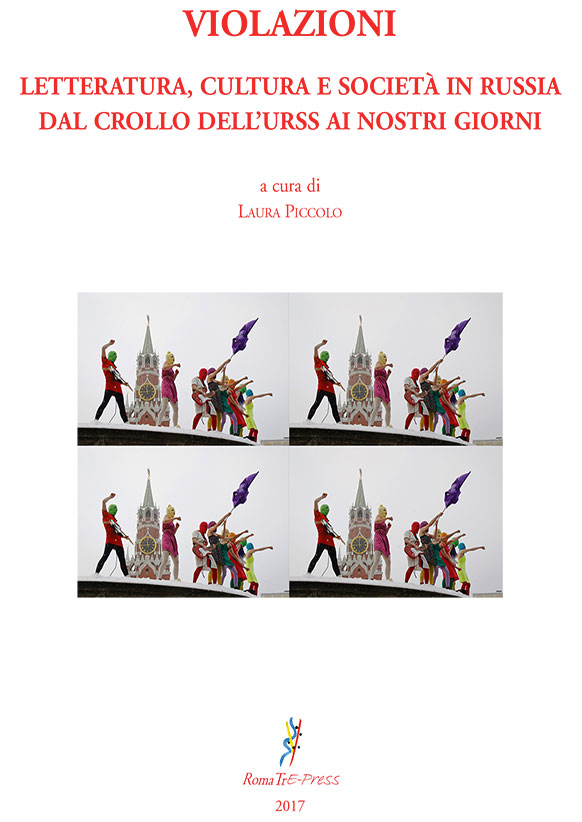
A cura di: Laura Piccolo
A cura di: Maria Catricalà, Roberto Baldassari